Everyday Health & Fitness Get Active

Stay Active, Live Well

Small, consistent steps—walking, stretching, short workouts—boost energy, mood, and overall well‑being. Find easy, safe ways to add activity into your day with practical tips and adaptable plans for any fitness level.

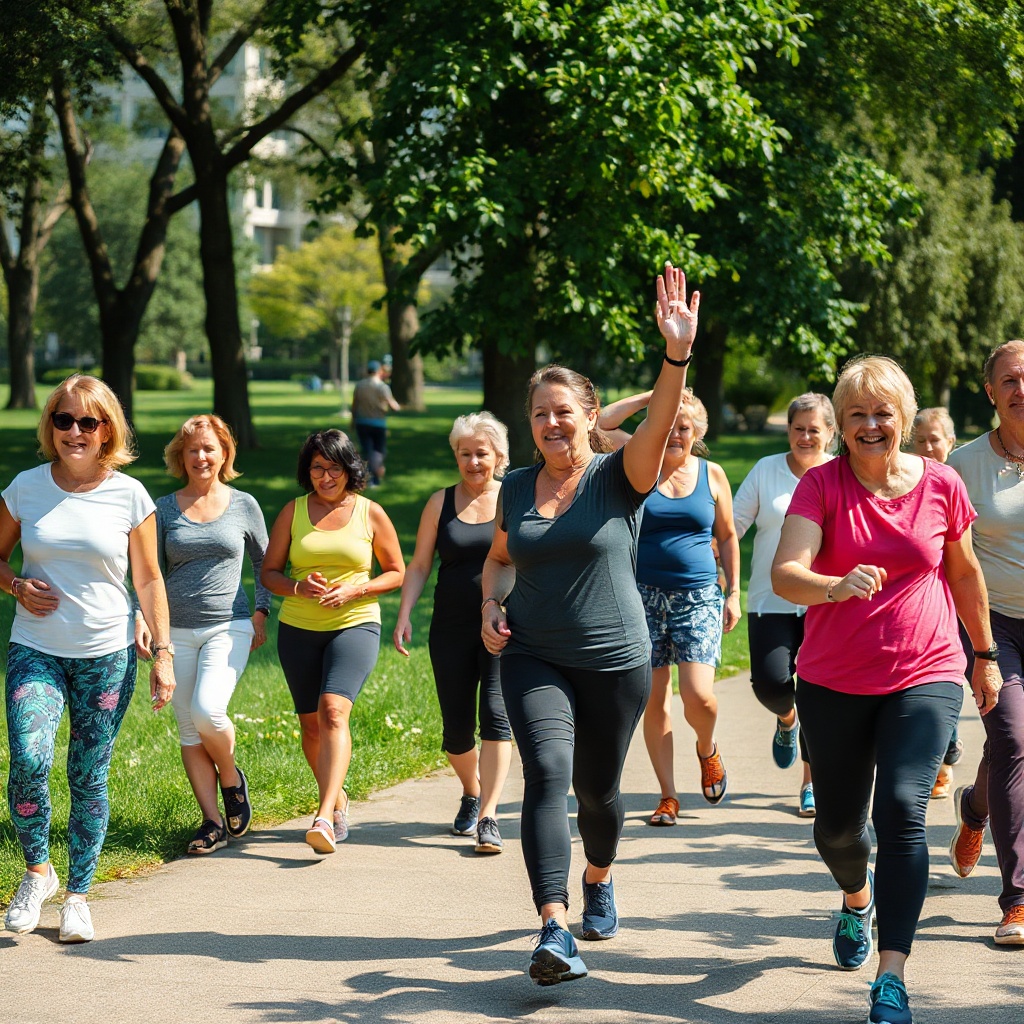
People walking and stretching together in a park

Wellness & Fitness

Move More, Feel Better: Simple Habits for Everyday Health

Practical, approachable ways to improve overall health through regular physical activity, balanced routines, and small lifestyle changes.

Regular physical activity supports cardiovascular health, stronger muscles and bones, better mood, and more energy. Aim to include a mix of aerobic activity (walking, cycling, swimming), strength work (bodyweight exercises, resistance bands, weights), and flexibility/balance practices (stretching, yoga). Public health guidelines recommend about 150 minutes of moderate aerobic activity or 75 minutes of vigorous activity per week combined with muscle-strengthening activities on two or more days, but any increase in movement helps. Start small, set realistic goals, and build consistency—short daily walks or 10–20 minute home workouts add up. Prioritize safety by warming up, staying hydrated, wearing proper footwear, and pausing activity if you experience pain or dizziness. Pair activity with adequate sleep, nutritious meals, and regular breaks from sitting. If you have a chronic condition, recent injury, or concerns, consult a healthcare professional before starting a new exercise program.
Physical Activity & Overall Health

Regular physical activity is one of the most effective ways to support overall health. It can help maintain a healthy weight, strengthen the heart and lungs, build muscle and bone mass, improve mood and sleep, and reduce the risk of many chronic conditions. Adults should aim for at least 150 minutes of moderate-intensity activity or 75 minutes of vigorous activity per week, plus muscle-strengthening activities on two or more days — adapt these targets to your fitness level and schedule. Start gradually if you’re new to exercise: choose activities you enjoy (walking, cycling, swimming, dancing, or resistance training), set small achievable goals, and increase frequency or intensity over time. Mix cardio, strength, and flexibility work for balanced fitness. Practical tips include scheduling workouts like appointments, pairing activity with social time, and breaking movement into short sessions throughout the day. Take basic safety precautions: warm up and cool down, wear appropriate shoes, stay hydrated, and rest when needed. If you have chronic health conditions, recent surgery, are pregnant, or have concerns about starting a new exercise program, consult a healthcare professional for personalized advice. Consistency and gradual progress matter most — focus on making activity a sustainable part of your everyday routine.